
Which is more better, electric welding or laser welding?
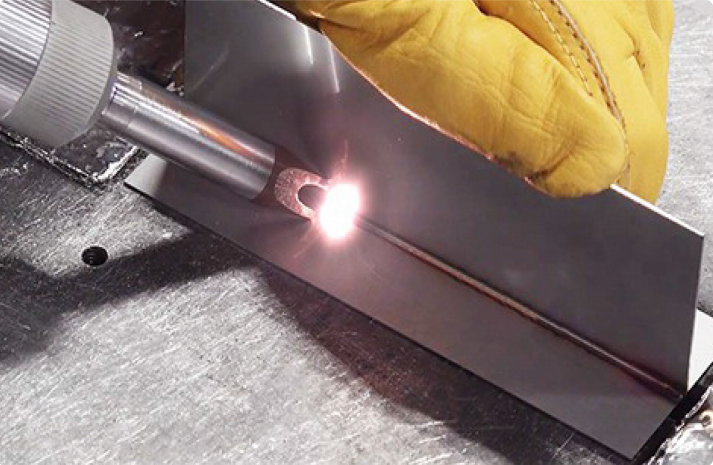
Electric welding and laser welding are common welding methods, and they have their own advantages and characteristics in different application scenarios.
Electric welding is a method that uses an arc to generate high temperatures to melt and join metal materials together. It can be used to weld various metals, such as stainless steel, cast iron, aluminum alloy, etc. The advantages of electric welding are that the welding speed is relatively fast and the equipment cost is relatively low. However, since welding requires heating a wide range of metal, it is easy to produce a large heat-affected zone, causing deformation and residual stress in the material around the welded joint, so the strength of the welded joint may be affected.
Laser welding is a method that uses a laser beam to locally heat and melt metal materials to achieve welding. Laser welding has the advantages of small heat-affected zone, controllable penetration depth, and fast welding speed. Since laser welding can produce high energy density, the heating time of the material around the welded joint is short, and the heat affected area is relatively small, so the deformation and residual stress of the material can be reduced, and the strength of the welded joint is relatively high.
Generally speaking, laser welding may be better than electric welding in terms of the strength of welded joints. However, the specific choice of which welding method needs to take into account factors such as work requirements, material type, welding environment, etc., and be evaluated and selected based on the actual situation.
Laser cutting VS plasma cutting, wha's the difference?
How to protect the laser in summer?
Related Article
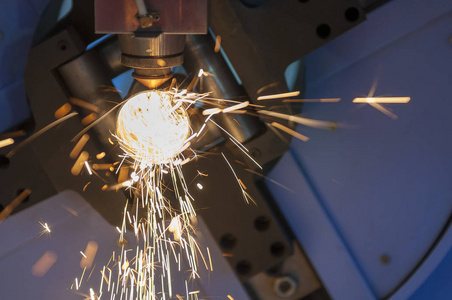

It is reminded to give the laser a suitable environment to spend the rainy season and hot cool days. When the laser cooling water temperature is set lower than the dew point temperature, it is likely that the condensation phenomenon will occur.